
Clearview Vision CentreMedical / Vision correction
Refractive surgery page — three procedures compared, then a suitability assessment.
Clearview Vision Centre is a comparison-led template for refractive surgery centres — the library's first built around weighing options rather than pushing one. LASIK, SMILE, and implantable lenses are set side by side with the patients each suits and the trade-offs each carries, so a visitor who arrived to compare can do so honestly, then convert into a diagnostic assessment. A published decline rate does the persuading that discount offers can't. Built for any high-consideration category where visitors shop procedures before they shop clinics.
↓ Live render of the template draft below (copy and images are all editable; lead capture in the preview does not submit anything)

Three procedures. Only one of them is right for your eyes.
LASIK, SMILE, and lens implants each suit a different cornea, prescription, and lifestyle. Compare them honestly below — then let a surgeon confirm which one your eyes actually qualify for.
31,000+ suitability assessments · 1 in 5 advised against surgery
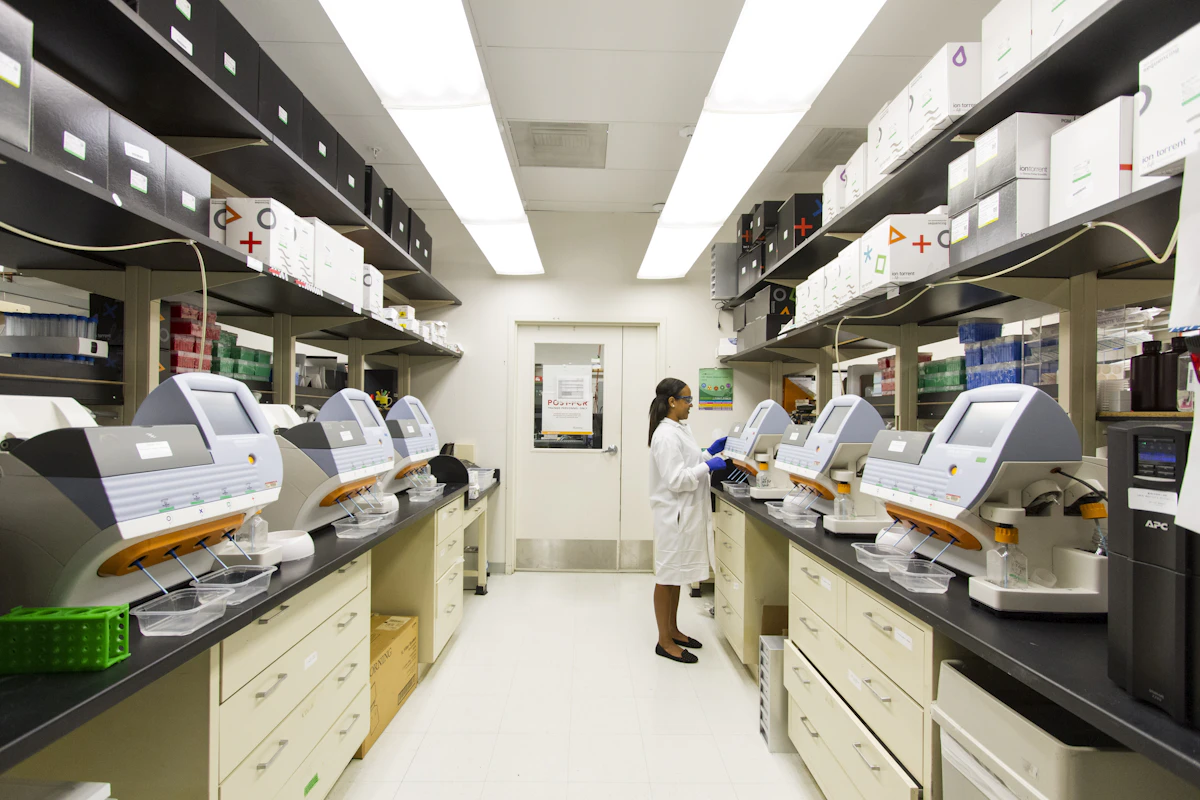
Our refractive practice
Figures from our published annual reporting.
Compare the three procedures
Every one of these has patients it suits and patients it doesn't. Here is the honest version.
LASIK
Most performedA thin corneal flap is lifted, the tissue beneath reshaped, and the flap replaced. Functional vision usually returns within a day.
- ✓Suits: low to moderate short-sightedness, astigmatism, adequate corneal thickness
- ✓Recovery: most people back to desk work the next day
- ✓Trade-off: the flap remains a permanent structural feature of the cornea
- ✓Not for you if: your cornea is thin, or you box, wrestle, or do contact sports
SMILE
A lenticule of tissue is shaped inside the cornea and removed through a small incision. No flap is created at any point.
- ✓Suits: short-sightedness with astigmatism, active lifestyles, contact-sport athletes
- ✓Recovery: slightly slower visual sharpening than LASIK over the first week
- ✓Trade-off: fewer surgeons are trained in it, and enhancement is more complex
- ✓Not for you if: you are long-sighted, or your prescription falls outside its treatable range
Implantable lens
A soft lens is placed inside the eye in front of the natural lens. No corneal tissue is removed, and the procedure is reversible.
- ✓Suits: high prescriptions, thin corneas, patients ruled out of laser surgery
- ✓Recovery: vision typically stabilises within a few days
- ✓Trade-off: intraocular surgery carries a different risk profile from laser treatment
- ✓Not for you if: your anterior chamber is too shallow or you have certain eye conditions
How we decide what you qualify for
The assessment is the product here, not the surgery.
22 measurements per eye
Corneal topography, thickness mapping, pupil size, tear film, and retinal health — before anything is recommended.
We turn people away
About one in five people assessed are advised not to have surgery. That figure is published rather than buried.
Assessed by the operating surgeon
The surgeon who would perform your procedure reviews your scans and gives the recommendation personally.
Aftercare for 12 months
Scheduled reviews through the full stabilisation period, included as standard.
How the suitability assessment works
Two to three hours, and you leave knowing where you stand.
- 1
Submit your prescription
Send your current prescription and answer a short questionnaire about your eyes and lifestyle.
- 2
Full diagnostic scan
A two-hour appointment covering corneal mapping, thickness, pupil, and retinal checks. Bring sunglasses — your pupils will be dilated.
- 3
The surgeon's recommendation
Which procedures you qualify for, which you don't and why, and the specific risks for your eyes.
- 4
Decide without pressure
You take the written assessment home. Nothing is scheduled on assessment day.

What patients say
Including some who didn't end up having surgery.
“They ruled out LASIK because of my corneal thickness and explained exactly why. I had the lens implant instead.”
 Yuki · Japan · Google
“I was told not to have surgery at all. No other clinic had mentioned my dry eye as a problem.”
 Owen · Australia · Email
“The comparison made sense of three procedures I'd only ever seen advertised as if they were interchangeable.”
 Sofia · Mexico · WhatsApp
What we hold ourselves to
Standards that apply whether or not you go ahead.
Registered ophthalmic surgeons
Every procedure performed by surgeons on the specialist register.
Published outcomes
Our results and our decline rate are published annually, not selectively quoted.
Confidential records
Scans and medical history are held as medical data and never sold or shared.
Aftercare included
Twelve months of scheduled reviews at no additional cost.
Frequently asked questions
Which procedure is best?+
None of them, in the abstract. The right procedure depends on your corneal thickness, prescription, pupil size, tear film, and what you do with your eyes daily. That is precisely what the assessment determines.
Will I definitely not need glasses afterwards?+
No procedure can guarantee a specific visual result, and none of them stop age-related changes such as reading vision decline in your forties. Your surgeon explains the realistic expectation for your eyes and prescription.
What if I'm not suitable for any of them?+
We tell you, explain why, and where relevant suggest what could change that in future. Around one in five people we assess are advised against surgery.
Is the assessment free?+
Yes, and it is a full diagnostic appointment rather than a sales consultation. You receive the written findings whether or not you proceed.
How long until I can drive or work?+
It varies by procedure and by individual. Most laser patients are back at a desk within one to two days, but you must not drive until an optometrist confirms you meet the legal standard.
Find out which procedure your eyes qualify for
Send your current prescription and we'll book you a full diagnostic assessment. Submitting this form schedules nothing and commits you to nothing — and if you're not a candidate, we'll tell you.
What's in this template
How to use it for lead gen
- 1
Pick the template
Click “Start with this template” and Clearview Vision Centre loads into the editor as your starting draft.
- 2
Edit content · connect a domain
Swap the copy, images, and selling points, configure the CTA and lead capture form, then connect your own brand domain.
- 3
Publish and run ads
Publish in one click — DNS and the HTTPS certificate are configured for you. Connect your pixels and conversion forwarding, and you're ready to drive traffic.
Common questions
- Can I change anything in the Clearview Vision Centre template?
- Yes. Copy, images, colours, and section order can all be swapped in the visual editor to match your own brand and selling points — no code required.
- How do visitors reach me and leave their details?
- This template captures leads over Form / WhatsApp: a visitor taps the CTA on the landing page to start a Form / WhatsApp conversation or submit the form, and the lead lands in your dashboard.
- Is publishing to my own domain complicated?
- Not at all. Pick the template, edit the content, then connect your own brand domain — DNS and the HTTPS certificate are configured automatically, and you're live in minutes.
- Is running ads to this template compliant?
- The template ships with a compliant footer (privacy policy and terms links) and stays non-transactional as a lead-gen page. Agency plans add anti-duplication, lowering the odds that same-template pages get flagged as duplicates by ad platforms.
More in this industry

Lumora Dental Studio
Dental booking page — free smile assessment plus WhatsApp consultation booking.

Meridian Hair Restoration
Hair restoration page — patients send photos and get a written surgical assessment.
Aurelle Aesthetic Medicine
Aesthetic clinic page — patients request a doctor-led consultation by form.